You Might Already Be Doing It
One of the most common reactions we hear from business owners when we explain carbon markets is this: ‘But I am already doing that, I installed solar panels two years ago’ or ‘We have been composting our organic waste for years.’ The question that usually follows is: ‘So why am I not earning anything from it?’
The answer is almost always the same. Not because the activity does not qualify, in many cases it does, but because nobody ever told them that this was possible, connected them to the right developer, or helped them collect the right data to prove it. That is the gap we are working to close.
In this issue, we want to walk you through the main categories of projects that can generate carbon credits, with real examples that are relevant to businesses operating in Kenya today. By the end, you should have a clearer sense of whether your business or a business you know, might be sitting on an untapped carbon opportunity.
1. Renewable Energy Projects
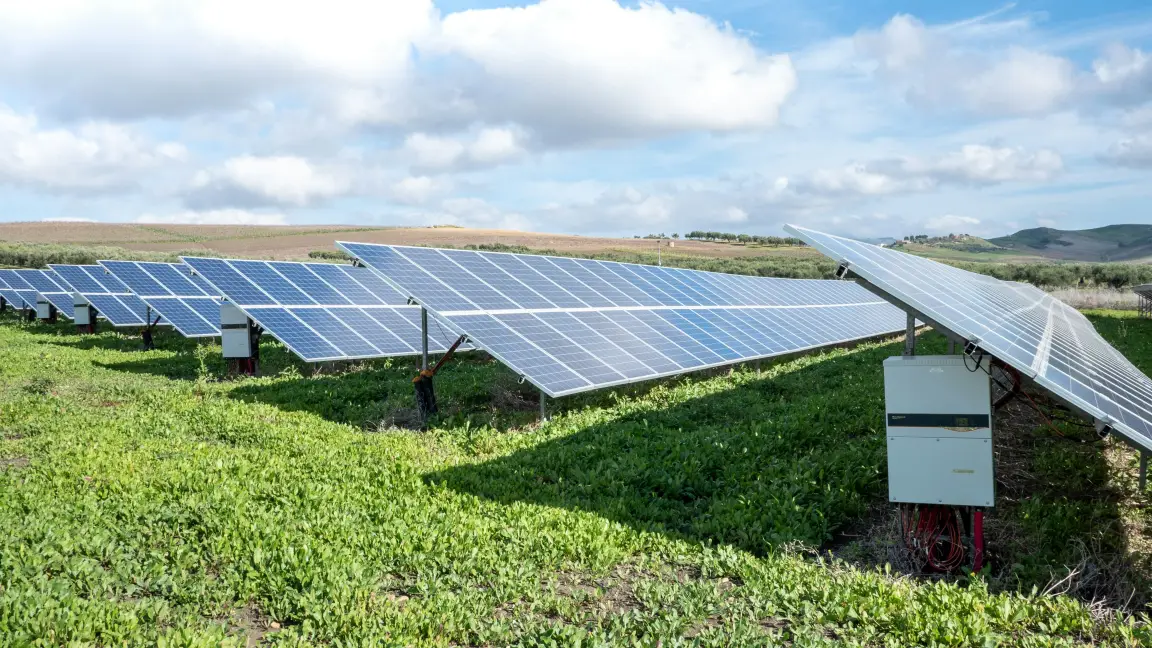
This is one of the most straightforward and well-established categories of carbon projects. The basic logic is simple: if your business generates or uses electricity from a renewable source like solar, wind, or small hydropower, you are avoiding the emissions that would have been produced if that electricity had come from a diesel generator or the national grid, which in Kenya, like many countries, still relies partly on fossil fuels.
Renewable energy projects can be structured in several ways. A business that installs solar panels on its rooftop can potentially earn Renewable Energy Certificates (RECs), which represent the environmental value of the clean electricity generated. A developer who builds a solar mini-grid serving a community can earn credits for every ton of emissions avoided compared to what the community would have used otherwise. Even a business that replaces diesel-powered machinery with electric alternatives powered by clean energy can generate a quantifiable emissions reduction.
In Kenya, solar energy projects are particularly relevant because the alternative, diesel generation, is both expensive and carbon-intensive. A manufacturing SME that runs significant machinery on diesel and switches to solar is not only saving on fuel costs; it may be reducing its emissions by hundreds of tons per year, which is exactly the kind of activity the carbon market was designed to reward.
2. Waste-to-Energy Projects
Organic waste like food scraps, agricultural residues and animal manure releases methane as it decomposes in open landfills or waste piles. Methane is a greenhouse gas that is approximately 80 times more potent than carbon dioxide over a 20-year period. This means that properly capturing and using that methane, rather than letting it escape into the atmosphere, has an enormous climate impact.
Waste-to-energy projects convert organic waste into biogas, which can be used to generate electricity or heat, or compressed and used as a cooking or transport fuel. Businesses that produce significant quantities of organic waste, agricultural processors, food manufacturers, slaughterhouses, hotels and restaurants at scale, may qualify for carbon credits through this category.
The carbon credit value here comes from two directions: the methane that is being captured and not released into the atmosphere and the fossil fuel energy that the biogas replaces. Combined, these can generate substantial credit volumes even from relatively small-scale operations.
3. Cookstove and Clean Energy Access Projects
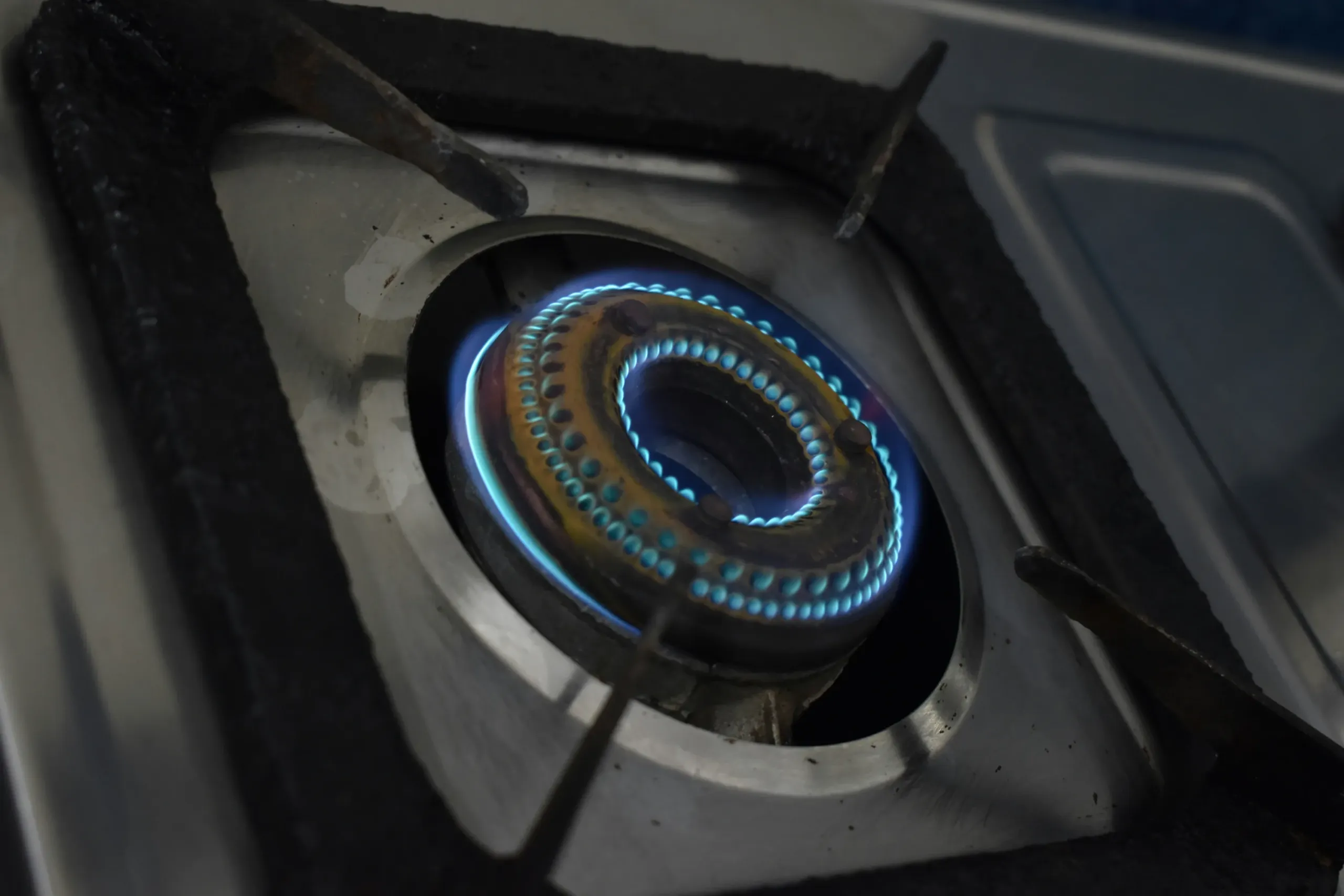
This is one of the most impactful and high-volume categories of carbon projects in Africa, and it is directly relevant to businesses that manufacture, distribute, or sell clean cooking solutions. Traditional cooking over open fires using wood or charcoal is one of the largest sources of carbon emissions in sub-Saharan Africa, and also one of the leading causes of indoor air pollution, which kills more people on the continent annually than malaria.
Projects that distribute improved cookstoves, which use significantly less fuel to produce the same amount of heat, or that promote clean cooking fuels like LPG, bioethanol, or biogas earn carbon credits for every ton of emissions avoided compared to baseline cooking methods. The Gold Standard and Verra both have well-established methodologies for these projects.
For businesses in the clean energy retail or distribution space, cookstove carbon projects can represent a significant additional revenue stream. Some cookstove projects in East Africa have earned millions of dollars in carbon revenue, often making the difference between a financially viable business model and one that struggles to survive on product sales alone.
4. Sustainable Land Use and Forestry
Trees absorb carbon dioxide from the atmosphere as they grow, storing it in their biomass and in the soil. Projects that protect existing forests from deforestation, restore degraded land, or establish new forests on previously bare land can earn carbon credits for the carbon that is captured and stored over time.
For SMEs in Kenya, the most relevant opportunities in this category tend to be agroforestry, integrating trees into agricultural land, and community forestry projects where smallholder farmers or rural businesses play a central role. Tea estates, coffee growers, and large agricultural enterprises that manage significant tracts of land with tree cover may qualify for forest carbon credits.
It is important to note that forestry projects have some of the most rigorous verification requirements of any carbon project category, precisely because the carbon stored in trees can be reversed if those trees are later cut down or destroyed by fire. This means careful project design and long-term monitoring are essential, but it also means that well-designed forestry projects command premium prices in the market.
5. Energy Efficiency Projects
Any activity that reduces the amount of energy a building or process consumes, without reducing output, is an energy efficiency improvement, and in many cases these improvements can be quantified as carbon emissions reductions and converted into credits.
For Kenyan SMEs, this might include switching to LED lighting across a large facility, upgrading industrial boilers or chillers to more efficient models, installing energy management systems that reduce waste, or improving insulation in cold storage facilities. The challenge with energy efficiency projects is that they tend to produce relatively small emissions reductions per site, which means they often need to be aggregated across many businesses to be economically viable for carbon project development.
This is another area where Carbon90’s aggregation model is particularly valuable. A single SME that reduces its energy consumption by 10% might generate only a few tons of carbon reductions per year, not enough to justify a standalone carbon project. But 50 or 100 SMEs making similar improvements can collectively generate thousands of tons, making aggregated project registration both feasible and financially attractive.
6. Methane Capture from Agriculture and Industry
Beyond waste-to-energy, there are other contexts in agriculture and light industry where methane is produced and can be captured for carbon credit purposes. Dairy farms and cattle operations, for example, produce significant methane from animal digestion and from the management of animal waste. Rice farming under flooded conditions also generates methane. Tanneries, breweries, and food processing facilities produce high-strength organic wastewater that can release methane if not properly treated.
Projects that install anaerobic digesters to capture methane from these sources, or that change land and waste management practices to reduce methane production, can qualify for carbon credits under several international standards. In Kenya’s growing agribusiness sector, these opportunities are particularly relevant.
How Do You Know If You Qualify?
The honest answer is that it depends on a detailed assessment of your specific activities, the scale of your operations, the quality of data you can provide, and whether your emissions reductions are ‘additional’, meaning they would not have happened without the carbon finance. Not every green activity automatically qualifies, and the eligibility rules vary by standard and methodology.
What we can say is this: if your business is doing any of the activities described above, or something similar, it is worth having a conversation. Carbon90’s role is to do the initial assessment, help you understand whether your project might qualify, and connect you to the right developer if it does. You do not need to be an expert in carbon markets to take that first step.
In our next issue, we will be addressing a topic that does not get talked about enough in carbon market conversations: the question of who really benefits when carbon credits are generated in communities and what good carbon project design looks like from a social justice perspective.