A plain-language guide to one of the most powerful climate finance tools available to Kenyans today.
Let's Start with the Basics
If you run a business in Kenya and you have ever heard the phrase ‘carbon credits’ in a meeting, a news segment, or a WhatsApp group and nodded along without being entirely sure what it means, you are not alone. Carbon credits are one of those terms that gets thrown around constantly in climate and business circles but rarely gets explained in a way that is actually useful to a business owner trying to run operations and pay staff.
So let us start from the beginning.
A carbon credit is a certificate that represents the removal or avoidance of one metric ton of carbon dioxide (or its equivalent) from the atmosphere. That’s it. One credit equals one ton. When your business does something that either reduces the amount of carbon released into the air or actively removes carbon that was already there, you can potentially earn these certificates. And those certificates have monetary value because other companies, governments and investors are willing to pay for them.
Think of it this way. Every year, the world produces billions of tons of greenhouse gases, mainly carbon dioxide, methane and nitrous oxide. These gases trap heat in the atmosphere and drive climate change. Scientists, governments and international bodies have all agreed that we need to drastically reduce how much of these gases we are adding to the air. That shared goal has created a financial system where reducing or removing emissions becomes something you can be paid for.
The Two Types of Carbon Markets
There are two main ways carbon credits are bought and sold and understanding the difference matters for those of you interested in taking this path.
The first is the compliance market. This is a government-regulated system where large industrial companies e.g. power plants, airlines, and cement factories are legally required to keep their emissions below a certain level. If they go over their limit, they must buy credits to compensate. If they stay under, they can sell their surplus credits. In Kenya and across most of Africa, these mandatory systems are still being developed, so compliance markets are not yet the main opportunity for smaller businesses. South Africa is so far the only country in Africa which has a system like this in the form of a carbon tax.
The second is the voluntary carbon market. This is where the real opportunity exists for Kenyan SMEs right now. In the voluntary market, companies, organizations, and even individuals choose to buy carbon credits to offset their own emissions, not because a law forces them to, but because they have made commitments to their customers, investors or shareholders to reduce their carbon footprint. Global corporations like Google, Microsoft and airlines around the world are spending billions of dollars every year buying voluntary carbon credits. And a significant portion of the credits they want to buy come from projects in Africa and other parts of the Global South, where emissions reduction activities can be done at lower cost and with higher community impact.
The voluntary carbon market is at a turning point. After reaching $2 billion in 2021, it is now maturing and projected to hit between $10 billion and $50 billion by 2030. Africa is the market’s next frontier: while the continent currently issues about 16% of global credits, it has tapped into only 2% of its total nature-based potential.
How Does a Carbon Credit Actually Get Created?
This is the part that will interest you the most. It is where most people get lost, so let us walk through it carefully.
A carbon credit does not simply appear because you do something good for the environment. It must go through a formal process that proves the emissions reduction is real, measurable and additional. Additional means that it would not have happened without the carbon finance. This process is called registration and verification, and it is managed by internationally recognized standards bodies like Verra (which runs the Verified Carbon Standard), Gold Standard and others. These two mentioned are the largest with Verra being the largest by volume accounting for over 60% of all carbon credits issued in the voluntary market.
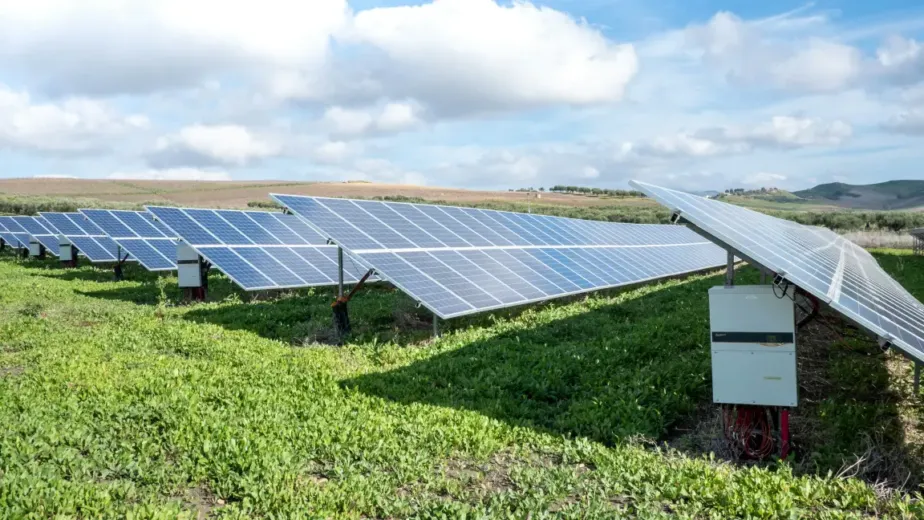
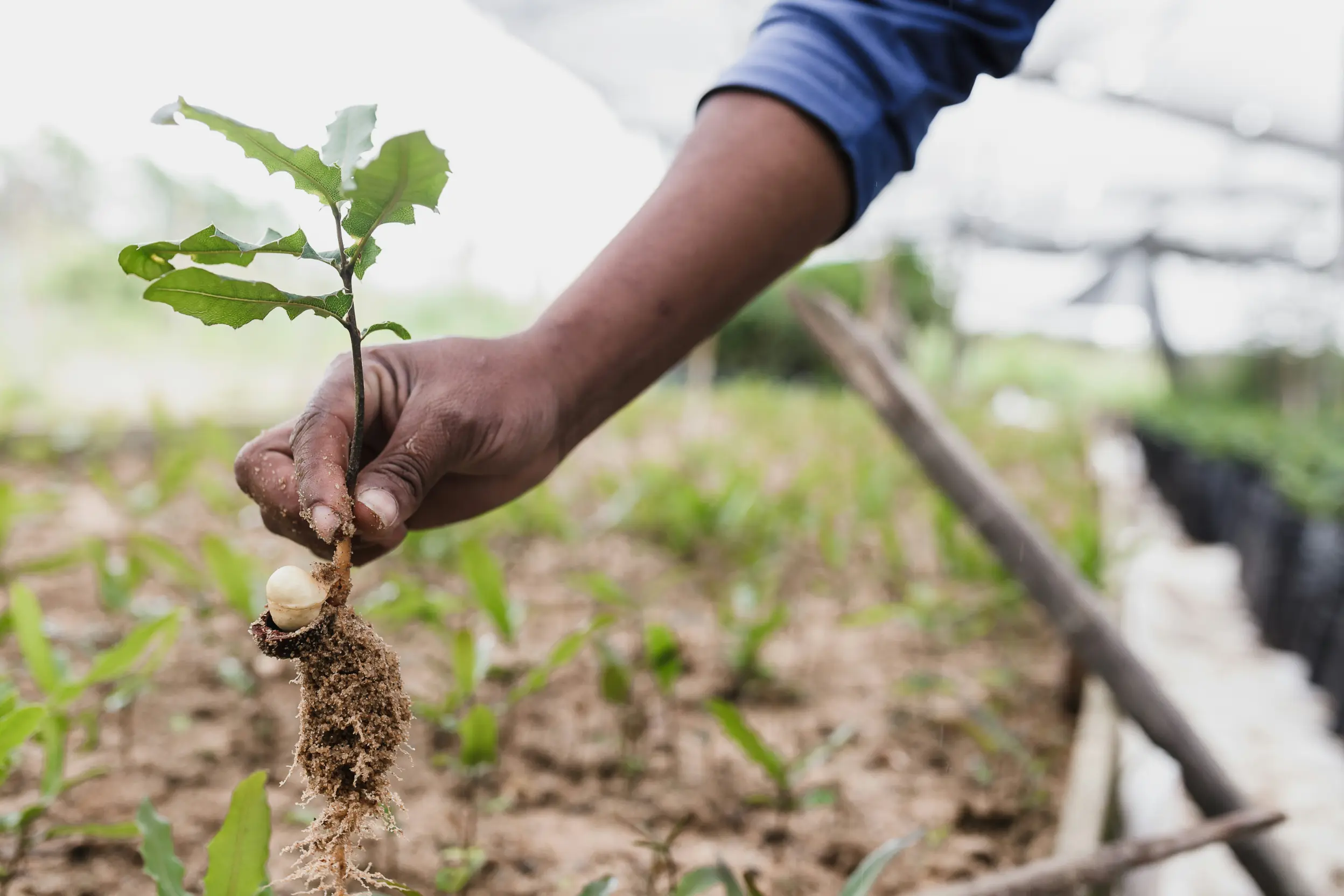
Here is a simplified version of how it works. First, a project developer identifies an activity that reduces or removes carbon, for example, installing solar panels that replace diesel generators, planting trees on degraded land, or capturing methane from a waste facility.Second, they document the project in detail. Things like, what is happening, how many tons of emissions will be reduced or removed, over what time period and how this will be measured. Third, an independent auditor reviews the project and verifies that the numbers are accurate. Fourth, if everything checks out, the project is registered on a carbon registry and issued credits, which can then be sold on the open market.
For most businesses, the challenge has traditionally been that this process is technical, time-consuming, and expensive to navigate alone. That is exactly the gap that Carbon90 was built to address.
What Kind of Money Are We Talking About?
Carbon credit prices vary significantly depending on the type of project, the standard used, the additional social and environmental benefits it generates and of course, the buyer. In the voluntary market, credits from high-quality projects in Africa can sell for anywhere between $5 and $50 per ton of CO2. Some premium projects, especially those that combine emissions reductions with strong community benefits or biodiversity protection, have sold for over $100 per ton.
For context, a bundled solar initiative serving a cluster of SMEs might reduce 500 to 2,000 tons of CO2 annually. At a conservative $10 per ton, that adds $5,000 to $20,000 in yearly carbon revenue, passive income that sits on top of their energy savings. For Kenyan businesses fighting high operational costs, this turns a sustainability goal into a critical revenue stream.
Why Has This Been Hard to Access in Kenya?
The honest answer is that the carbon market was not designed with small businesses in mind. It was designed for large-scale industrial projects where the cost of verification and registration could be spread across hundreds of thousands of tons of emissions reductions. A single SME with a small solar installation or a composting programme simply cannot justify the $50,000 to $200,000 it might cost to independently register a carbon project.
There is also a significant knowledge gap. Most SME owners in Kenya have heard the phrase ‘carbon credits’ but have no clear pathway from where they are today to actually earning them. They do not know which of their activities might qualify, who to talk to, what data to collect, or how to find a developer willing to work with a small project.
This is exactly the problem Carbon90 is solving. By aggregating small projects together, connecting SMEs to experienced developers, and providing education and support throughout the process, we are making the carbon market accessible to businesses that have always deserved a seat at the table.
What Should You Do Now?
If you are reading this newsletter, the first step is simply to start paying attention to what your business is already doing. Are you using solar energy? Do you manage waste in a way that reduces methane emissions? Do you run activities that protect trees or restore land? Do you operate in a way that avoids emissions that would otherwise occur?
Any of these activities could potentially qualify you for carbon credit revenue. In our next issue, we will walk through the specific types of projects that are eligible for carbon credits and help you identify whether your business might already be sitting on an opportunity you did not know you had.
In the meantime, if you have questions or want to find out more about whether your business qualifies, reach out to us directly. That is what we are here for.